In recent months, the global
container shipping market has shown strong volatility. For many years, freight rate trends were mainly influenced by international trade demand. Today, however, the scenario has become much more complex.
Within the maritime logistics sector, new factors are emerging that significantly impact shipping costs and transit times. Among these, one of the most relevant concerns maritime routes and their continuous evolution.
For importing and exporting companies, understanding these dynamics has become essential in order to plan supply chains efficiently.
Volatility in Container Freight Rates
According to several international logistics indicators, including the World Container Index, freight rates on major maritime routes have experienced significant fluctuations in recent months.
This index, widely used as a benchmark for monitoring global container freight rates, clearly shows how sensitive the market has become to multiple variables.
Among the main factors currently affecting maritime transport are:
- deviations in shipping routes
- longer sailing times
- availability of vessel capacity
- congestion in major international ports
Professionals working in international logistics know that even small changes in these elements can have a major impact on shipping costs and transit times.
To better understand global freight rate trends, companies often refer to the World Container Index published by Drewry, one of the most authoritative sources in the shipping and logistics industry.
Maritime Routes Are Changing
One of the most significant developments in recent months concerns changes in maritime navigation routes.
When vessels are forced to alter their routes or extend their journeys, the impact on the supply chain is immediate. The main consequences may include:
- longer transit times
- reduced container availability
- increased operational costs for shipping companies
- greater pressure on alternative ports
In other words, when shipping routes change, the balance of the entire global logistics system shifts.
Companies involved in international trade must therefore adapt quickly to this scenario, continuously updating their shipping strategies.
The Role of Port Congestion
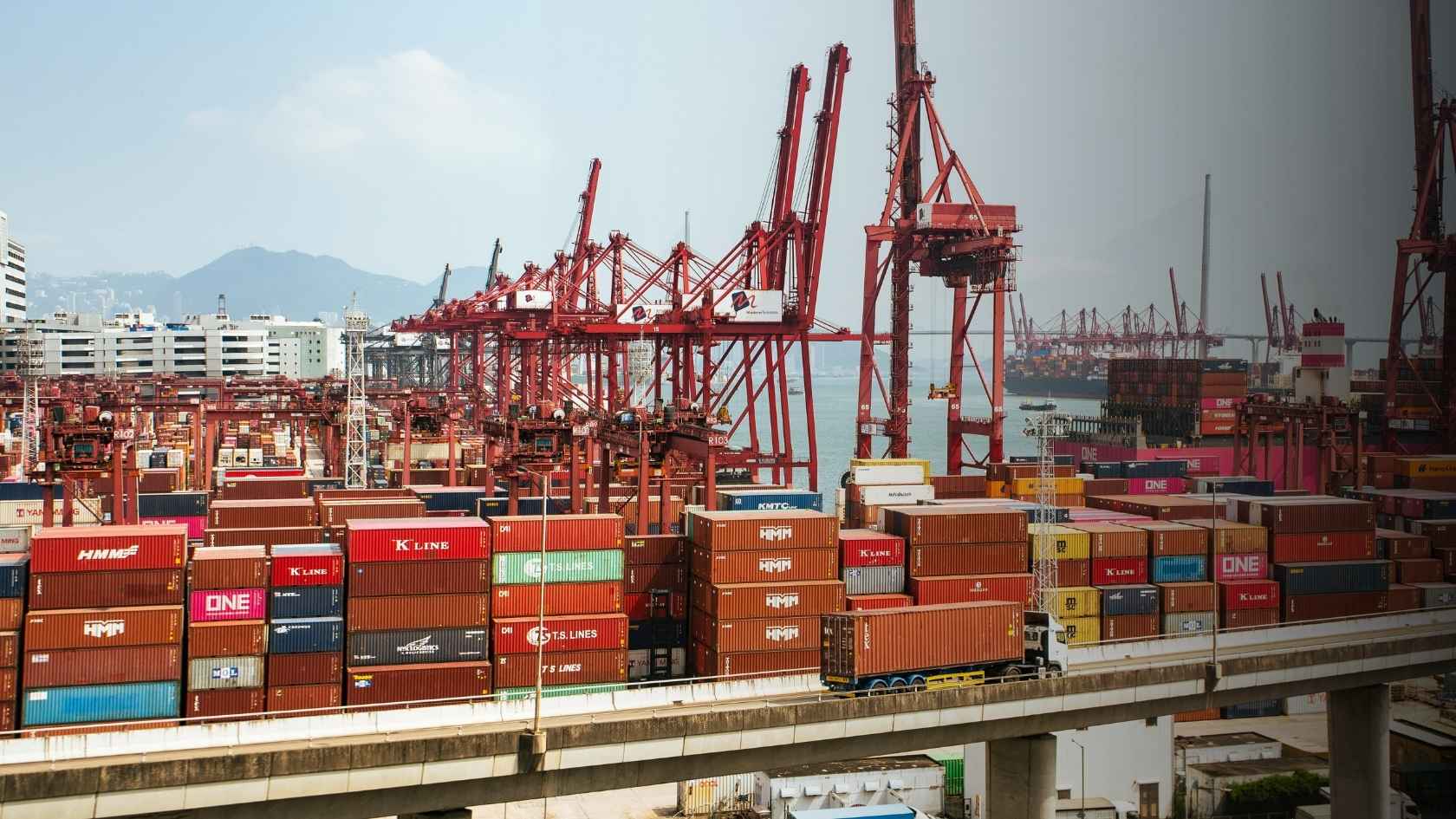
Another factor contributing to market instability is congestion in strategic ports.
When a port experiences delays or an exceptionally high volume of traffic, a chain reaction occurs across the entire logistics system:
- ships must wait longer to berth
- containers remain in terminals for extended periods
- delivery times increase
This phenomenon does not only affect major global hubs but can also involve regional ports and intermediate logistics nodes.
For this reason, effective logistics planning today requires constant monitoring of port conditions and a careful evaluation of available alternatives.
Logistics Planning: Why Market Monitoring Is Essential
In such a dynamic context, shipping planning can no longer rely solely on established routines.
Companies must adopt a more flexible approach based on updated data, including:
- analysis of market indicators
- monitoring of maritime routes
- evaluation of available vessel capacity
- proactive management of potential delays
The ability to interpret these market signals has become a key factor distinguishing an efficient supply chain from one exposed to frequent disruptions.
The Value of an Updated Logistics Partner
In an increasingly complex international environment, the role of logistics operators is becoming even more crucial.
An experienced partner in international shipping can help companies to:
- correctly interpret market dynamics
- select the most efficient routes
- optimize transit times and shipping costs
- manage potential operational challenges
Staying constantly updated on market trends is not just about information: it means providing clients with more reliable and strategic logistics solutions.
For this reason, monitoring shipping indicators and the evolution of maritime routes is now an integral part of the work carried out by professional logistics operators.
Conclusion
The container shipping market is currently undergoing a transformation in which maritime routes and their stability are becoming a key variable.
Understanding these changes allows companies to face the challenges of international logistics with greater awareness, reducing risks and improving supply chain management.
In an increasingly dynamic global environment, staying informed about industry trends is not just useful — it is essential to continue operating efficiently in international trade.